Quibi: The $1.75 Billion Bite-Sized Mirage
How Jeffrey Katzenberg and Meg Whitman convinced every major Hollywood studio to surrender billions, only to shutter the service just six months post-launch.
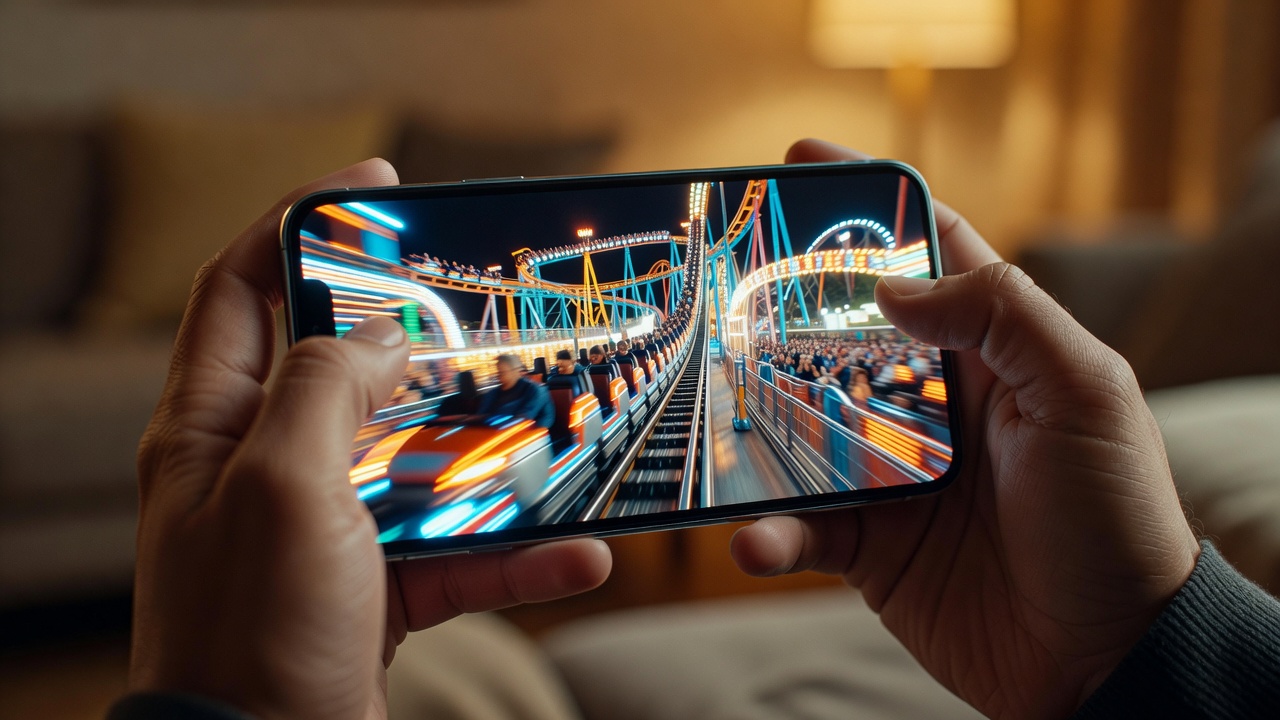
The Thesis: High-Production "Quick Bites"
The core assumption of Quibi ("Quick Bites") was that commuters, people waiting in line at grocery stores, and young urbanites craved prestige, Hollywood-grade video content produced at $100,000 per minute, edited specifically into sub-ten-minute chapters. Katzenberg touted their patented "Turnstyle" technology, which seamlessly adapted camera angles whether the smartphone was held vertically or horizontally.
With capital secured from Disney, NBCUniversal, Sony, WarnerMedia, and ViacomCBS, Quibi commissioned projects featuring Steven Spielberg, Christoph Waltz, and Liam Hemsworth. Launch day arrived on April 6, 2020—just as the world entered lockdown due to the global pandemic.
To safeguard licensed intellectual property, Quibi actively disabled smartphone screenshots and video clipping. When a consumer witnessed an unusual or humorous scene, they were physically blocked from posting it to Twitter, Instagram, or TikTok. In the 2020 attention economy, blocking meme generation meant killing virality at inception.
Why Consumers Rejected the Service
Quibi priced itself at $4.99/month with ads and $7.99/month ad-free. The leadership failed to realize that the "ten-minute free window" on a mobile device was already thoroughly occupied by free, algorithmically tailored platforms like TikTok, YouTube, and Instagram. Furthermore, Quibi initially launched with zero support for Apple TV, Chromecast, or Roku, refusing to allow users to beam content to their televisions at the exact historical moment the entire global workforce was sequestered in their living rooms.
What Worked Technically
- "Turnstyle" video orientation transition was seamless and engineered with precision.
- Star-studded production quality was undeniably cinematic.
- Leadership acted honorably at the end: Katzenberg returned $350M in unspent cash to investors upon liquidation.
The Fatal Blindspots
- Underestimating zero-cost UGC (User Generated Content) platforms.
- Overpaying $100K/min for scripted IP without retaining backend library ownership (IP reverted to creators after 7 years).
- Refusal to pivot to big-screen television streaming until it was far too late.
Operational Post-Mortem Takeaway
No amount of capital or A-list celebrity endorsements can compel consumers to adopt an unnatural behavioral flow. Entertainment consumption is inherently social, networked, and conversational. Quibi designed an insular walled garden that was completely deaf to internet culture.