Theranos: The Blood Testing Chimera
How Elizabeth Holmes assembled an all-star board of statesmen, charmed Silicon Valley, and burned $700,000,000 on miniature blood machines that violated the laws of physical chemistry.
Executive Summary & The Grand Premise
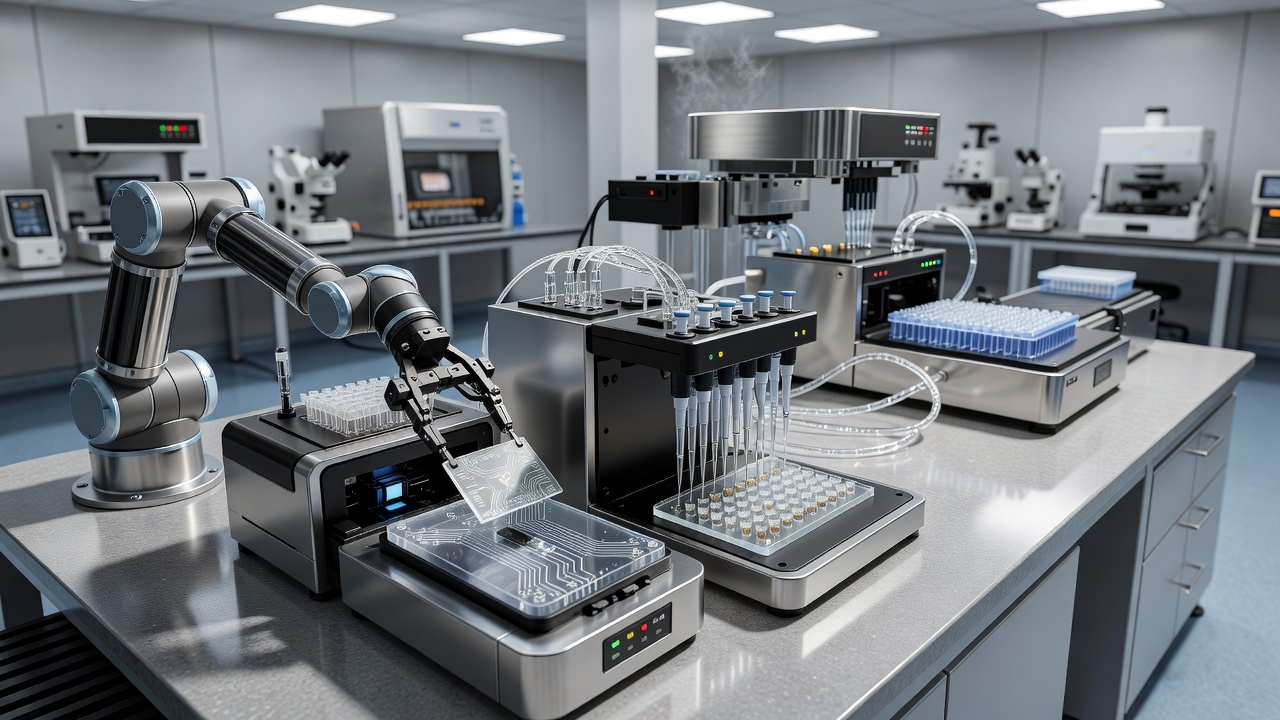
Founded in 2003 by 19-year-old Stanford dropout Elizabeth Holmes, Theranos aimed to decentralize blood diagnostics. The premise was intoxicatingly simple: eliminate venous punctures with bulky needles and replace them with a virtually painless fingerprick using a proprietary micro-container termed the "Nanotainer." Inside the black-box machine nicknamed the "Edison," hundreds of tests—from basic cholesterol panels to complex cancer markers—were allegedly automated in minutes for a fraction of the cost charged by Quest Diagnostics or LabCorp.
By 2014, Theranos had signed landmark distribution agreements with Walgreens and Safeway, raised hundreds of millions in equity from high-net-worth titans, and achieved a paper valuation of $9 Billion. Yet, behind the frosted glass doors of the Palo Alto headquarters, the technology simply did not work.
Capillary blood harvested from finger-sticks is fundamentally compromised compared to venous blood. Puncturing the skin shears capillary tissues, diluting the sample with interstitial cellular fluid and thromboplastin, which produces inconsistent chemical readings. Diluting a 25-microliter fingerprick sample to run dozens of distinct assays degraded precision below clinical standards.
The Mechanism of Deception: The Secret Lab
As detailed in John Carreyrou’s investigative bombshell for The Wall Street Journal, Theranos circumvented its own malfunctioning machines by running patient blood samples on commercially available, unmodified third-party analyzers manufactured by Siemens AG. To make the tiny Nanotainer volumes fit inside industrial machines designed for larger vials, lab technicians diluted the samples, leading to wildly inaccurate and dangerous clinical readings—including false positives for prostate cancer and incorrect potassium levels that could have triggered lethal medical interventions.
What Enabled Early Capital Inflow
- Magnetic Steve Jobs-esque personal branding by Holmes.
- Board staffed by elder statesmen (George Shultz, Henry Kissinger, James Mattis) who possessed zero medical diagnostic training.
- Aggressive utilization of non-disclosure agreements and weaponized litigation by attorney David Boies.
Fatal Structural Flaws
- Zero peer-reviewed clinical research published in scientific literature.
- CMS (Centers for Medicare & Medicaid Services) inspection revoked federal laboratory license.
- Complete cultural compartmentalization preventing engineers from seeing lab telemetry.
Key Lessons for Investors & Modern Founders
- Software Metaphors Fail in Deep Biotech: "Move fast and break things" works when crashing a social app; it constitutes reckless criminal endangerment when evaluating potassium concentrations in human patients.
- Board Composition Over Prestige: Theranos selected board members based on political influence rather than biochemical competency. Not a single board member was qualified to ask: "Show us the immunoassay calibration curve."
- Secrecy as a Red Flag: Proprietary IP must be protected via patent law, not total clinical omission. When a biotech company rejects peer review under the guise of "trade secrets," the device is invariably vaporware.